Author: Liam Morton

  • We are recruiting for a Trustee/Director

    Do you share our passion for empowering all individuals to possess the oracy and English Language skills they need to achieve their aspirations?

    We are seeking a dynamic and highly motivated individual to join our Board of Trustees/Board of Directors, ensuring the organisation’s good governance and strategic direction.

    The ideal candidate will have direct experience in government funded education (primary, secondary, Further Education, special schools) as well as a keen understanding of governance.

    For further details about this role and for information on how to apply, please see our advertisement.

    We encourage you to contact our Chief Executive, Tina Renshaw, if you are interested in this position.


    Closing date: Friday the 11th of June.

  • Celebrating 70 years of successful ESB assessments! In the Spotlight – ESB centre, Articulacy

    English Speaking Board (International) celebrates its 70th Anniversary in 2023! To honour this special milestone, we are launching a significant outreach campaign that will make access to our suite of speech and language qualifications more available to groups and organisations which are seeking to close the disadvantage gap. We hope to support organisations where their learners face disadvantage due to socio economic factors, disability or migration status. We will support them financially to access our assessments, support and training.

    English Speaking Board (International) and Articulacy share a common aim to help young people communicate more effectively and confidently to allow them to reach their aspirations – and follow their dreams.

    Launched to mark ESB’s achievements over the past 70 years and to mirror the innovation of our founder, Christabel Burniston, our 70/70 Campaign aims to find and financially support by 2023, 70 organisations where their young people or community members face disadvantage due to socio economic factors, disability or migration status and would be supported in their aspirations if they could achieve an ESB qualification. ESB will support them financially to access its assessments, support and training.

    This is not the first time that we have provided financial support to grant learners access to our qualifications. The Christabel Burniston Fund has supported more than 40 centres over the last three academic years.  The 70/70 Campaign is an expansion on the support we already offer and amongst other things, aims to give young people a clear advantage as they progress through secondary schools, FE colleges, and employment.

    Inspiring high quality communication in people of all ages is something ESB and Articulacy continue to recognise, with both organisations being engaged in the value of oracy as a vehicle for social mobility.

    ESB began its fruitful relationship with Articulacy in 2016. Established in 2012 by Julia Ward and Ali Shorer, the company specialises in offering workshops that build confidence and raise self-esteem through spoken English. They work with businesses, on individual projects and in education from primary schools through to universities across the South West of England and inspire learners regardless of age or ability to become self-assured and articulate speakers.

    Like ESB, Articulacy is a member of the Oracy Network, a group of organisations passionate and dedicated to supporting speaking and listening skills in children and young people. This group played a key role advising the work of the Oracy All-Party Parliamentary Group Inquiry ‘Speak for Change’. With the subject of Oracy fast becoming a hotly debated subject, and its impact on young people, the All-Party Parliamentary Group published its Final Report in April, endorsing ESB’s assessment methodology as a valuable part of teaching Oracy to learners and highlighted the positive impact that oracy education has on progression.

    Articulacy has been using ESB qualifications to add additional value to their workshops for some years after reaching the same conclusion as the APPG Final Report. By incorporating ESB into their workshops, learners are awarded with an accredited qualification at the end of their training, giving them a sense of achievement as well as evidence of their progression.

    ESB and Articulacy

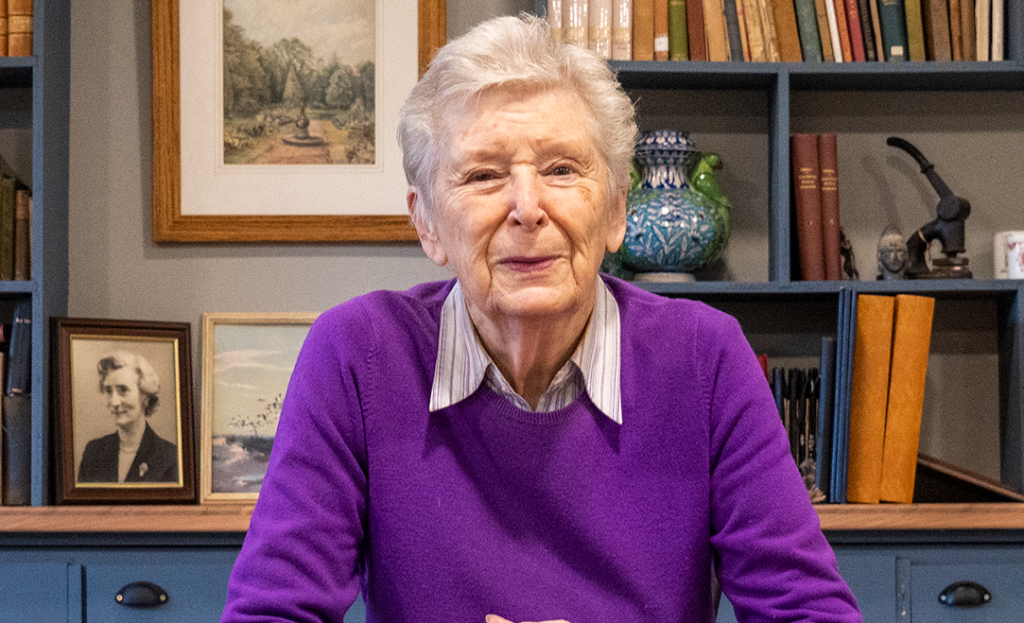
    Julia Ward, says: “Our mission is to inspire all young people, regardless of age or abilities, to become confident and articulate speakers. We run week-long workshops for disengaged youngsters, within each school’s curriculum, using the framework of an ESB qualification to provide focus and direction. These young people start the week with no experience of public speaking and most believe, the challenge is too great. However, by the end of the week it is astonishing to see how much they progress. It is so rewarding to see them attaining their ESB accredited qualification and to share in their sense of achievement and progression”.

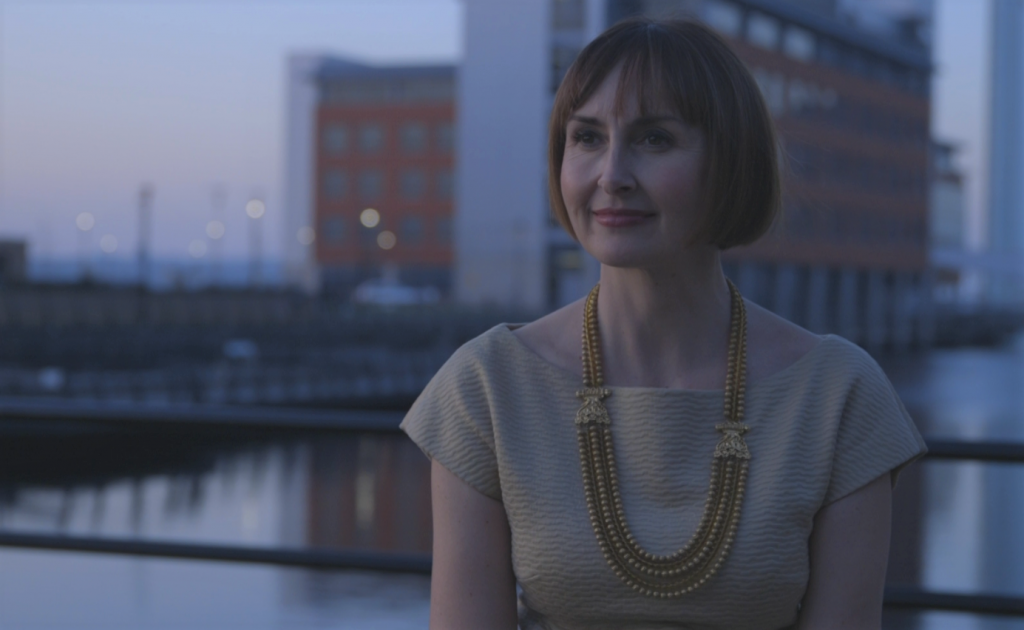
    Tina Renshaw, ESB’s Chief Executive explains: “Articulacy is a centre that is using ESB to further its cause, across a number of schools and university outreach programmes, but ESB would like to help many more. We are passionate about stretching the most able and supporting the least confident to realise their potential by closing the disadvantage gap. Articulacy and ESB have a shared belief that good communication skills lie at the heart of social mobility and share a similar goal of creating a future where class background is no barrier to what you can achieve.

    “Under the umbrella of our 70/70 campaign, we hope to support hundreds of young people to gain speaking and listening qualifications that may not have been previously possible. ESB would love to hear from you!”

    Who can apply for funding from the 70/70 campaign?

    Education SectorThird Sector
    Primary Schools
    Secondary Schools
    Further Education
    Special Schools
    Pupil Referral Units
    Prisons   
    Charities
    Community Groups
    Youth or Adult Societies


    We use two main sets of indicators for state schools: The percentage of pupils receiving Pupil premium and the Government’s Indices of Deprivation for the area that your school serves. For third sector organisations we will look at your current income and external funding and the Government’s Indices of Deprivation for the community your organisation supports.

    How can you apply for funding?

    If you are interested in finding out whether your centre is eligible for funding and wish to know the options available to you, please email business@esbuk.org. Additional information on how to apply will also be provided.

  • English Speaking Board (International) supports the Oracy All-Party Parliamentary Final Report

    Emma Hardy MP, Chair of the Oracy All-Party Parliamentary Group

    English Speaking Board’s assessment methodology has been endorsed as a valuable part of teaching Oracy to learners in the Final Report published by the Oracy All-Party Parliamentary Group Inquiry ‘Speak for Change’.

    Whilst the inquiry heard a spectrum of views as to whether oracy should be formally assessed, there was general agreement that the absence of currency and accountability undermined oracy’s status and value.

    As a proud contributor to the inquiry, ESB fully supports the report’s recommendations to raise the status and priority of oracy in education by calling for a shift in values, policy and practice.

    ESB’s Chief Executive, Tina Renshaw

    Tina Renshaw, ESB’s Chief Executive, says: “I am delighted that these recommendations pave the way forward to improve oracy education in schools. We have been successfully offering oracy assessments to learners for many years and know its value as a valid pathway to promote oracy in schools.

    “We take a learner-focused approach to assessment, recognising and encouraging the potential of all. We do not only assess what the young person knows or says, but what they have become. Clarity of communication and an ability to express thoughts simply, sincerely and persuasively, are qualities needed by everyone in this specialised, competitive world. Along with other examples of established practice, the report recognises that ESB’s assessment frameworks can act as a scaffolding tool for embedding Oracy into a school curriculum.

    “The report also highlights the positive impact that oracy education has on progression. Preparing today’s learner for tomorrow’s world is something ESB is passionate about. Our assessment process provides feedback for every learners to allow them to build on their skills and for the schools to receive validation and feedback on their teaching and learning.”

    With the pandemic having had a devastating impact on oracy, particularly on the spoken language development of disadvantaged learners, the report acknowledges how a greater focus on oral language improves outcomes for the most disadvantaged students and uses an example from an ESB learner to illustrate the point:

    As someone from one of the most marginalised groups in the country I believe that it is even more important that the children and young people from marginalised groups have a voice, and one that is going to allow them to have a place in the world. One that is going to allow them to create better opportunities for themselves in education and in the world of work and self-employment. Good oracy empowers children, young people and their teachers to communicate more effectively. The benefits of this are tremendous.”
    Young person from Reclaim, English Speaking Board, evidence to the Inquiry, pg. 31

    Says Tina:

    Here at ESB, we are steadfast in our determination to support as many disadvantaged groups as possible from the charity and community sectors, as well as educational centres and we are passionate to help close the disadvantage gap, as demonstrated by the launch of our new 70/70 Campaign.

    ESB is coming up to its 70th anniversary in 2023, and to honour this milestone, we are aiming to find and financially support 70 new centres where their learners, children, young people or community members face disadvantage and would be supported in their aspirations if they could achieve an ESB qualification.

    The 70/70 Campaign is part of our purpose to stretch the most able and support the least confident and to realise the potential of all by closing the disadvantage gap.


    Please click here to read about this exciting initiative in more detail.

    The report also emphasises strong support for increased focus on oracy and demonstrates how it can improve access to and subsequent inclusion in education for children with speech, language and communication needs (SLCN) and with special educational needs and disabilities (SEND), again hearing from an ESB learner:

    “Oracy skills, developed from an early age, can help bridge the social mobility gap for people like me, with disabilities such as Autism.”
    Young person, English Speaking Board, evidence to the Inquiry, pg.30

    ESB’s suite of speech qualifications for learners with special educational needs and disabilities help remove barriers to learning by enabling access to a wide range of curricula, building relationships and a sense of belonging, and developing self-esteem and a positive self-identity.

    Echoing the view of others that there is lack of specificity and ambition for oracy in the National Curriculum, Tina is quoted in the report:

    “There is not enough differentiation in the current National Curriculum for English in terms of spoken language to facilitate the delivery of high-quality oracy education, and the guidance given is insufficient for such a crucial skill set. The requirements focus largely on formal speaking and listening (presentations, speeches, debate, performance) and do not make enough reference to the broader range of talk possibilities.”
    Tina Renshaw, English Speaking Board, evidence to the Inquiry, pg. 36

    The report calls attention to the debate about whether Ofqual should reinstate an improved form of English Language GCSE spoken language assessments as a contributory element of the GCSE grading.

    “This is something we would wholeheartedly support as teachers have asked for it and we know that there are forms of valid assessment that could be reintroduced”, says Tina. “We feel we could contribute to the success of this reintroduction as ESB assessments are a clear path for oracy success with each level building on learners’ development from the previous level, providing a perfect journey to progress to GCSE level”.

    It’s great to see that our views presented two years ago were echoed and amplified by the many voices raised as part of the APPG on Oracy. Please read ESB’s written submission below.


    APPG’s Recommendations
     
    The report advocates a shift in educational culture and values, policy and practice to:

    1. Raise the status and priority of oracy in education.

    2. Agree shared expectations for oracy and increase understanding of how these can be achieved.

    3. Equip and empower teachers and schools to provide sustained, and comprehensive high-quality oracy education.

    Please click here to read the full report.

    If you missed the report launch, you can watch the event here: https://www.youtube.com/watch?v=2hTuYBQT5MQ.